


In every walk with nature, one receives far more than he seeks.
~ John Muir
What Is Ecospirituality?
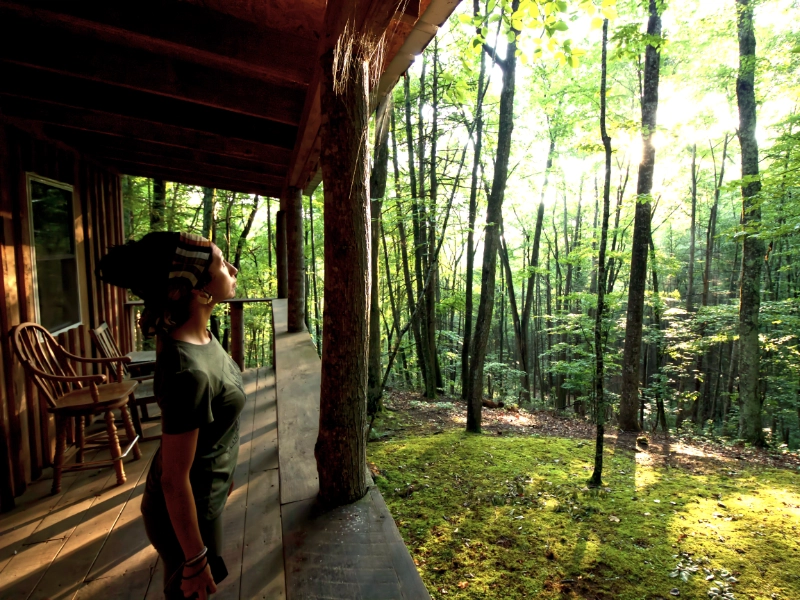
Imagine you are standing in a quiet forest, or on a small city balcony at sunset. For a moment everything pauses. The light softens, the air cools, and you feel a strange mix of calm, sadness, and love for this planet.
That feeling is where ecospirituality begins.
In simple terms, ecospirituality is a way of seeing Earth as sacred and living in a caring, mindful relationship with nature. It treats the planet as more than a backdrop or a resource. It is a living partner in our daily lives.
This guide will walk through what ecospirituality is, where it comes from, how it shows up in everyday life, and how you can try it without joining any religion. It is for anyone who feels anxious about the climate, loves nature, and wants a deeper sense of meaning and hope.
What Is Ecospirituality In Simple Terms?
At its heart, ecospirituality is a way of life that treats nature as sacred and sees humans as part of Earth, not separate from it. It blends care for the planet with inner values, meaning, and sometimes faith.
People live ecospirituality in many ways:
- Some practice it inside a religion like Christianity, Buddhism, Islam, or Hinduism.
- Others are not religious at all, yet feel deep respect and love for rivers, trees, animals, and sky.
Writers often describe ecospirituality as a spiritual connection between human beings and the environment. You can see this in overviews like the article on ecospirituality on Wikipedia and in more detailed work on ecospirituality definition and history.
In simple language, key ideas include:
- The Earth is alive and worthy of respect.
- Every choice we make touches the wider web of life.
- Caring for nature can be a spiritual act, not only a moral duty.
Ecospirituality does not ask you to believe in a certain god or join a certain group. It invites you to see your daily life as part of a larger living story.
How Ecospirituality Is Different From Regular Spirituality Or Environmentalism
It helps to compare three related but different paths.
- Regular spirituality often focuses on inner peace, prayer, or a higher power. Someone might meditate in a quiet room and see nature only as a nice background.
- Environmentalism often focuses on laws, science, and activism. People sign petitions, join protests, and support clean energy. The main language is policy and data.
- Ecospirituality ties inner life and outer action together. It says that caring for Earth is not only smart or ethical, it is also sacred.
Here are a few concrete examples:
- A person who prays while gardening, asking for strength to care for the soil.
- Someone who treats recycling not as a chore, but as an expression of their values.
- A climate activist who lights a candle for lost species before a meeting.
This mix of meaning and action helps people stay engaged and less burned out. When climate work comes from the heart, not only from fear or pressure, it often lasts longer.
If you want more background on how ecospirituality relates to environmental ethics and justice, the definition at What is Ecospirituality? by COG gives a clear short overview.
Core Ideas At The Heart Of Ecospirituality
You can think of ecospirituality as a handful of simple guiding ideas:
- Nature is sacred. Forests, oceans, soil, and animals have value beyond money or human use.
- Everything is connected. People, plants, insects, air, and water all belong to the same web of life.
- Humans have a duty to care. We are not here only to use Earth, we are also here to protect and heal it.
- Simple can feel rich. A less wasteful, slower life can feel more meaningful and free.
- Science and spirit can talk. Climate data, ecology, and spiritual wisdom can guide kind, wise choices together.
These ideas are not rules. They are lenses that slowly change how you see your food, your trash, your time, and your future.
Where Did Ecospirituality Come From?
The word “ecospirituality” is fairly new, but the feelings behind it are ancient.
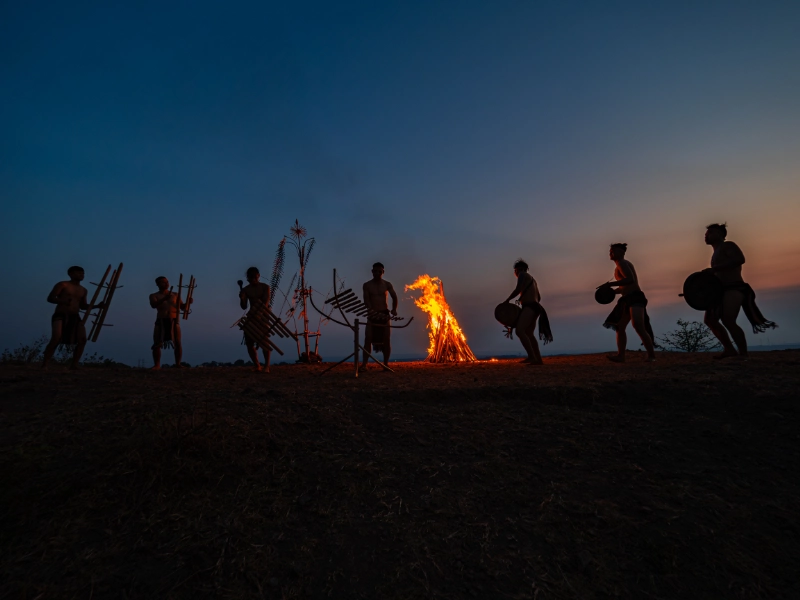
Long before modern climate science, many Indigenous cultures treated land, water, and animals as relatives or elders. Mountains were teachers. Rivers were beings with their own rights. People saw themselves as part of a large family of life.
In the last few decades, as climate change, pollution, and species loss became harder to ignore, more people started asking deeper questions. How should faith speak about rising seas? How should ethics speak about extinct birds? How can grief for the planet be held in community?
Scholars, faith leaders, and activists began to link ecology and spirituality in clearer ways. Ecospirituality started to show up in churches, temples, mosques, new spiritual groups, therapy offices, and even schools.
Ancient Roots: Indigenous And Nature-Based Traditions
Many Indigenous cultures across the world have honored rivers, forests, and animals as sacred for thousands of years. In these traditions, humans are part of a wider living circle, not rulers at the top.
For example, work on Indigenous sacred places and spirit shows how sacred sites carry deep ties between land, ancestors, and community. Other research, like the Yale paper on recovering religious ecology with Indigenous traditions, points to long-standing practices that hold land and spirit together.
Ecospirituality today learns a lot from these wisdoms, such as:
- Treating land as a relative, not a thing.
- Listening to place through stories, songs, and ceremony.
- Making decisions with future generations in mind.
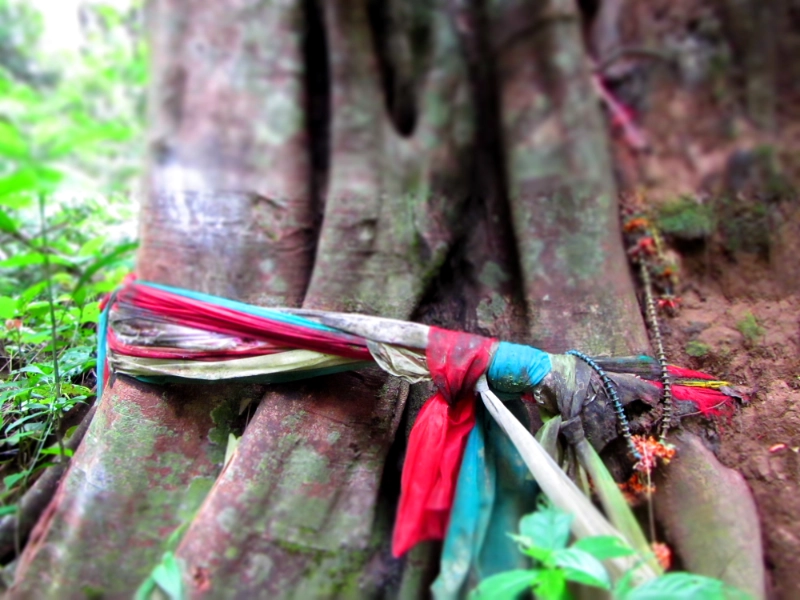
It is important to stress respect and consent here. Ecospirituality should not claim to speak for Indigenous traditions. Non-Indigenous people should avoid copying sacred rituals or symbols without guidance, and should seek out Indigenous voices and leadership.
Modern Ecospirituality: From Environmental Crisis To Spiritual Response
In the 20th and 21st centuries, the climate crisis pushed many thinkers and communities to connect faith and ecology more directly. Writers like Thomas Berry and Mary Evelyn Tucker helped shape this field, linking Earth science with religious thought.
Christian groups developed “creation care” programs. Buddhist teachers spoke about compassion for all beings and climate action. Muslim, Hindu, Jewish, and other communities also began to talk more about the moral and spiritual side of environmental harm.
Academic and public work, such as the overview on ecospirituality and ecology, shows how this conversation has grown inside seminaries and universities.
The result is a path that speaks both to the head and the heart. Facts about carbon and species loss sit beside prayers, meditations, and rituals. People are not only asked, “What will you do?” but also, “Who will you be in this time?”
How Ecospirituality Shows Up In Everyday Life
Ideas matter, but daily life is where ecospirituality becomes real. It shows up in small habits, shared rituals, and choices that shape our homes and towns.
You can see it in personal practices, in lifestyle decisions, in worship or community, in justice work, and in ways people face climate anxiety and grief.
Personal Practices: Simple Ways People Connect Spiritually With Nature
Personal ecospiritual practice does not need special tools or long training. It starts with attention.
Common practices include:
- Taking a silent walk and watching light, shadow, and movement.
- Sitting under a tree for 10 minutes, just feeling the ground and your breath.
- Watching birds from a window and noting their patterns in a small journal.
- Saying a short “thank you” for food and water before eating.
Many people enjoy “forest bathing,” which simply means slow, mindful time among trees. Others place a stone, leaf, or small bowl of water on a shelf at home as a sign of connection.
You do not need wild land to do this. A city park, a balcony with a plant, or a clear view of the sky can be a powerful ecospiritual place.
Lifestyle Choices As Spiritual Acts Of Care
Daily choices can carry spiritual meaning. Ecospirituality invites people to see habits as quiet prayers for Earth.
Examples include:
- Eating more plant-based meals and wasting less food.
- Buying secondhand clothing and furniture when possible.
- Using less plastic and bringing reusable bags and bottles.
- Saving energy by turning off lights, choosing efficient bulbs, or line-drying clothes.
The point is not perfection or guilt. The point is steady change fueled by love for Earth and for future generations. Every small choice becomes a way of saying, “This planet matters to me.”
If you want ideas that connect lifestyle, faith, and work, the guide on eco-spirituality and careers gives helpful examples of how people bring these values into their jobs.
Community, Worship, And Shared Rituals For Earth
Many faith communities now weave care for Earth into their worship and shared life.
Some examples:
- A church planting trees and praying for people hit by floods.
- A mosque hosting a neighborhood cleanup after Friday prayers.
- A synagogue adding climate themes to holiday sermons or songs.
- An interfaith group blessing a river before a restoration project.
There are also non-religious circles that gather outdoors on solstices, hold eco-retreats, or read nature poetry together.
Shared songs, stories, and symbols help people feel less alone. They remind us that hope is something we build in community, not only inside our own minds.
Ecospirituality, Justice, And Climate Action
Ecospirituality is not only about personal peace. Many groups connect Earth care with social justice.
They work on:
- Protecting low-income neighborhoods from toxic sites.
- Supporting Indigenous land rights and treaty responsibilities.
- Standing with communities hit hardest by fires, storms, and droughts.
A spiritual view of Earth says that harm to land and harm to people often go together. Caring for forests, rivers, and air includes caring for workers, neighbors, and children.
This mix of inner practice and outer action gives climate work a moral and emotional backbone. It becomes an expression of love, not only fear of disaster.
Healing Climate Anxiety And Grief Through Ecospirituality
Many people today feel heavy, angry, or numb about climate change. If you feel that way, you are not broken. You care.
Ecospirituality offers ways to hold these feelings:
- Sharing circles where people speak honestly about their fear and grief.
- Nature-based therapy that uses outdoor time and simple rituals.
- Personal acts of mourning, like writing a letter to a lost species or lighting a candle on hard news days.
By naming pain and holding it with others, people often find new energy for action. The sadness does not fully fade, but it can change shape into steady care.

How To Start Your Own Ecospiritual Practice Today
You do not need special beliefs, money, or a perfect life to start. You only need some curiosity and a little time.
Think of ecospiritual practice as an experiment. Try what fits your culture, values, and body. Leave what does not.
Step 1: Spend Regular Quiet Time Outdoors
Pick one spot outside. It might be a corner of a park, a bench by a bus stop, a backyard tree, or a balcony.
Visit it a few times each week. For 10 to 20 minutes:
- Notice the sounds around you: traffic, insects, wind, voices.
- Look closely at colors and textures. Bark, leaves, sky, concrete.
- Feel your feet, your breath, the air on your skin.
You can place a hand on a tree, sit on the ground, or just rest against a wall. Over time you may start to feel like you have a relationship with this place. That sense of “I know you” is part of ecospirituality.
Step 2: Create A Simple Ritual That Honors Earth
Ritual does not have to be fancy. It just means a small act you repeat with care.
You might:
- Say “thank you, Earth” before each meal.
- Light a candle for the planet in the evening.
- Keep a small altar with a stone, leaf, or photo from a favorite place.
- Mark each new season with a short reflection or journal entry.
Be very careful not to copy sacred items or ceremonies from Indigenous cultures or other traditions without consent. The most powerful rituals often grow from honest feelings, not from borrowed images.
Ask yourself, “What feels true to me?” Start there.
Step 3: Align One Daily Habit With Your Care For The Planet
Choose one simple habit that matches your life and energy. For example:
- Take the bus, bike, or walk one day a week instead of driving.
- Have two meat-free dinners each week.
- Bring a reusable bottle or mug every day.
You can think of this as a “living prayer” or a “living promise” for Earth, if that language feels right to you.
Try it for one month. Notice how it affects your mood, stress, and sense of purpose. Many people feel lighter when their actions line up with their values, even in small ways.
Step 4: Find Or Build A Supportive Ecospiritual Community
Look around for people who care about both Earth and inner life.
Possible places:
- Community gardens or local conservation groups.
- Faith-based “creation care” or “green team” meetings.
- Nature meditation circles or eco-spiritual online groups.
If you cannot find a group, you can start tiny. Invite one or two friends or family members to meet outdoors once a month. You might:
- Share feelings about the planet for a few minutes.
- Read a short quote or poem.
- Take one small action together, like a litter pickup or letter to a local leader.
Community does not need to be big to be strong. A small, steady circle can help you stay hopeful.

Important Cautions: Respect, Consent, And Real-World Action
As you move into ecospirituality, keep three gentle cautions in mind:
- Respect cultures. Do not take sacred songs, symbols, or rituals from Indigenous or other groups without clear permission. Listen, learn, and support their leadership instead.
- Remember systems. Personal practice is powerful, but it does not replace better laws and policies. Voting, public comment, and advocacy are part of ecospiritual life too.
- Drop harsh guilt. Shame and self-blame rarely lead to long-term change. Aim for steady, loving action, not perfection.
If you want to explore more structured approaches that mix faith, ethics, and ecology, the resource on Christianity and eco-spirituality shows one way religious communities work with these themes.
Final Thoughts
Ecospirituality is a simple but deep idea: seeing Earth as sacred and living each day in a caring, connected way. It reaches back to ancient nature-based wisdom and grows through modern responses to climate crisis.
You have seen how it can shape quiet moments in nature, lifestyle choices, community rituals, justice work, and support for climate grief. You have also seen small, practical steps to begin your own ecospiritual practice.
Your love for trees, rivers, birds, and sky already matters. It can grow into a steady path that feeds both the planet and your own spirit. Choose one small practice from this guide to try this week and notice how it feels. Let that be your first quiet act of hope.
Mystical experience of nature can be of particular relevance to our troubled age, bringing deeper into our consciousness and emotions the logic that nature sustains humanity as humanity must, in turn, sustain nature.
Rationality alone, however, cannot be our guide in the task of restoring our environment.
A spiritual connection to nature must inspire the emotional commitment that is the yin, complementing the yang of intellectual understanding.
~ Carl von Essen
Useful Links and Resources
Related Videos/Documentaries
Kalachakra: The Enlightenment
Sacred Wonders
Fictional/Entertainment
Seven Years In Tibet
Related Books
The Planet’s Most Spiritual Places: Sacred Sites and Holy Locations Around The World
References
Bowker, John, Editor(1997). The Oxford Dictionary of World Religions Great Clarendon Street, Oxford, UK Oxford University Press

Contributors: Coogan, Michael, | Thompson, Mel | Feinstein, Eve | Tieszen, Charles | Ambalu, Shulamit, Philip, Neil | Weeks, Marcus | Freedman, Paul | Stobart, Andrew (2013,2018)
The Religions Book: Big Ideas Simply Explained.  New York, New York. DK Publishing
Pin It!

Disclosure: The informational content posted here is based on research and personal experience. This post may contain affiliate links. If you click on an advertisement or product and continue to make a purchase, I may receive a referral commission. Also, as an Amazon Associate, I earn from qualifying purchases.”

Hayden is a Software Engineer with a Masters in Information Technology and B.A. in Psychology. His passions are varied from traveling to technology, board-sports and all things psychological, spiritual, and mysterious.
Throughout Hayden's life journey, his personal experiences and random synchronicities have had a profound influence on his current beliefs.
Hayden shares his perspectives on what he learns from first hand experience. He utilizes the most reliable resources from sacred texts to philosophy, scientific theories, psychological studies, and historical wisdom traditions.
He hopes to help reveal the similarities that connect all of us, so that we can learn to be more tolerant, less prejudiced and empathetic towards each other.


